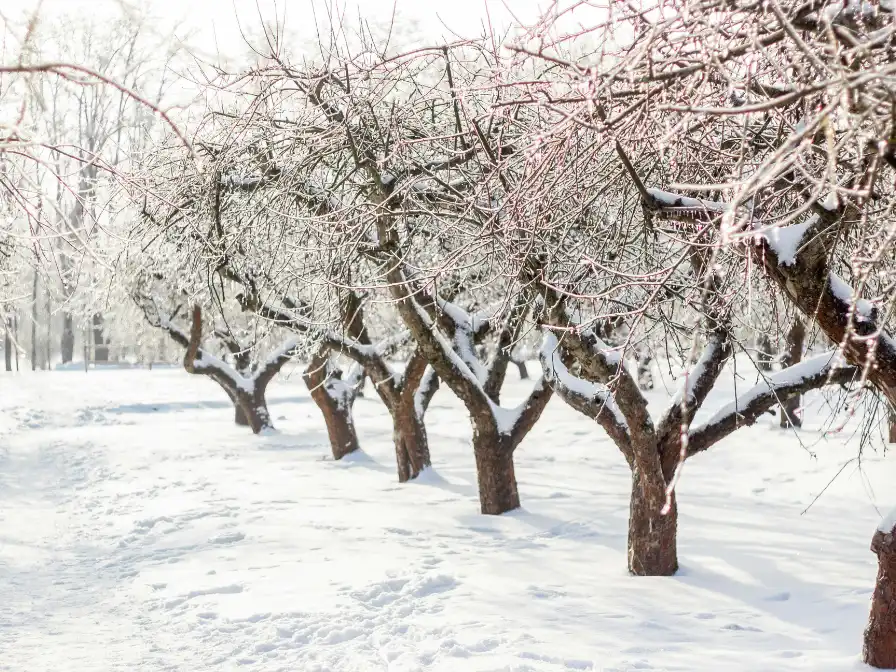
Central Florida does not get the dramatic seasonal shifts that homeowners in other parts of the country deal with, but that does not mean your trees are not affected by the change in seasons. As temperatures cool and the long, wet summer gives way to drier fall conditions, your trees go through a real transition. And how well they handle that transition depends largely on what is happening underground.
At Southern Environmental, we are a veteran-owned tree and land services company based in Plant City, FL. We work with homeowners and commercial property owners across Plant City, Lakeland, Brandon, Valrico, Mulberry, and the surrounding Central Florida area. Late fall is one of the most underutilized windows for tree care in our region, and we want to explain why it matters and what you can do to take advantage of it.
What happens to your trees as the season shifts
By the time November arrives, your trees have been through a lot. Months of intense summer heat, heavy rainfall, and tropical storm activity put real stress on both the canopy and the root system. Then, as the wet season winds down and temperatures begin to drop, trees shift into a slower growth phase. They are not dormant the way northern trees get in winter, but they are operating at a reduced pace.
That slower growth period is actually an opportunity. When a tree is not putting all of its energy into producing new growth, it can direct more resources toward root development and recovery. Work done to improve soil health and root conditions in late fall gives trees a head start on the following spring growing season.
Common root and soil problems after a Central Florida summer
After months of heavy rain, flooding, and storm activity, the soil conditions on many Central Florida properties are not in great shape by the time fall arrives. Here are the most common issues we see:
Compacted soil. Repeated heavy rainfall compresses the soil over time, which restricts the flow of water, oxygen, and nutrients to the root system. Compacted soil is one of the most common and most overlooked causes of declining tree health in our area.
Poor drainage and shallow root development. When soil drains poorly, roots tend to stay near the surface rather than growing deep. Shallow root systems make trees less stable and more vulnerable to drought stress during the dry season.
Exposed roots from erosion. Summer storms can wash away soil around the base of trees, leaving roots exposed. Exposed roots are vulnerable to physical damage, temperature stress, and pest activity.
Fungal activity. Months of moisture create ideal conditions for fungal diseases that affect both the root system and the lower trunk. Late fall is a good time to assess for fungal issues before they progress further.
Nutrient-depleted soil. Rapid summer growth draws heavily on soil nutrients, and Florida’s sandy soils do not hold nutrients well to begin with. By fall, many trees are working with a depleted nutrient base that needs to be replenished.
How to address root and soil health this fall
Here is what makes the most difference for Central Florida trees during the late fall window:
Forestry mulching and organic mulch application. Applying a proper layer of organic mulch around the base of your trees is one of the most effective things you can do for root health. It retains moisture in the root zone during the dry season, moderates soil temperature, suppresses weeds, and adds organic matter back into the soil as it breaks down. For properties with significant overgrowth, forestry mulching processes that vegetation back into the soil on-site, restoring nutrients without the need for chemical inputs.
Vegetation management and clearing. Invasive plants and overcrowded vegetation compete with your trees for water and nutrients. Removing that competition in the fall gives your trees better access to the resources they need to strengthen their root systems before the next growing season.
Drainage improvements. If your property has areas with persistent standing water or poor drainage, addressing those issues in the fall prevents root rot from developing over the winter and sets your trees up for a healthier spring. Our team can assess drainage conditions and recommend practical solutions.
Professional tree health assessments. Our ISA Certified Arborists inspect the root zone, trunk flare, and surrounding soil to identify stress, disease, structural weaknesses, and any other issues that need to be addressed. Catching problems in the fall gives you time to address them properly before they become more serious.
Why the timing matters
Late fall is genuinely one of the best windows for this type of work in Central Florida, and here is why the timing is not arbitrary:
Cooler temperatures reduce stress on the tree during and after any work. Root systems recover more efficiently when they are not also dealing with summer heat.
The dry season is beginning, which means soil conditions are becoming more workable and drainage improvements are easier to assess and implement.
Addressing issues now gives trees the entire winter to recover and strengthen before the demands of the spring growing season begin.
And practically speaking, late fall is typically less busy than the spring and pre-hurricane season rush, which means better scheduling availability and more time for our team to do thorough work on your property.
Serving Central Florida homeowners and property owners
Southern Environmental serves Plant City, Brandon, Dover, Seffner, Riverview, Valrico, Lithia, Lakeland, Bartow, Mulberry, Tampa, and the surrounding Central Florida area. We are licensed, insured, and led by ISA Certified Arborists who know the trees, soils, and seasonal patterns of this region well.
We give you upfront pricing before any work begins, show up when we say we will, and do not leave until the job is done right.
Frequently asked questions about fall root and soil care in Central Florida
Do trees in Central Florida really need fall care if they do not go dormant?
Yes. While Central Florida trees do not go fully dormant the way northern trees do, they do enter a slower growth phase in the fall and winter. That reduced growth period is actually an ideal time to focus on root and soil health, because the tree can direct more energy toward recovery and root development rather than producing new canopy growth.
How do I know if my soil is compacted?
One simple test is to push a screwdriver or a long nail into the soil near the base of the tree. If it goes in easily, the soil is in reasonable condition. If it is difficult to push in more than a few inches, the soil is likely compacted. You may also notice that water pools near the base of the tree after rain rather than soaking in, which is another sign of compaction or poor drainage.
What is the difference between forestry mulching and applying regular mulch?
Regular mulch application involves spreading wood chips, bark, or pine straw around the base of the tree to retain moisture and improve soil health. Forestry mulching is a mechanical process that uses specialized equipment to grind trees, brush, and vegetation directly into mulch on-site. Both benefit soil health, but forestry mulching is used for larger-scale vegetation management rather than routine tree care.
Can you improve drainage on a residential property?
Yes. Our team can assess the drainage conditions on your property and recommend practical solutions based on what we find. Drainage improvements can range from simple grading adjustments to more involved work depending on the severity of the issue.
Is fall a good time to fertilize trees in Central Florida?
Fall is generally a reasonable time for a light fertilizer application, particularly if your trees showed signs of nutrient deficiency during the summer. We recommend using a slow-release, balanced fertilizer and avoiding heavy applications that would stimulate rapid new growth heading into the cooler months. Our arborists can give you a specific recommendation based on the condition of your trees and soil.
Invest in your trees this fall
The work you do for your trees this fall pays off in healthier, more resilient trees next spring and beyond. Do not let the cooler months go by without taking advantage of one of the best windows for root and soil care in Central Florida.
Contact Southern Environmental today to schedule a fall tree care assessment or request a free estimate. Call us at 813-566-8733 or book online through our website. We are available Monday through Friday from 7:30am to 5pm and Saturday through Sunday from 8am to 5pm.
Strong roots make strong trees. Let us help you build that foundation this fall.